Padelletti
Wine production area: Montalcino, Tuscany
Position: Montalcino, Siena, Tuscany
That of the Padelletti in Montalcino is not a story like any other, it is not simply the story of one of the many families of Montalcino, but the epic of successive generations whose stories, each in its own way far from ordinary, they are intertwined with History, the one with the capital “S”, by Montalcino and beyond, made of distances and reunions, with the vine, as we will see, always in the background.
Padelletti, moreover, have always been a wealthy family, owners of palaces and lands, and their deeds can be traced back to the thirteenth century, when, during the struggles between the papacy and the Swabian emperors, the Padelletti family lined up alongside of the Staufer family, and was forced to take refuge in Germany, at the Swabian court. In 1529 a certain Giovanni Padelletti, architect, returned to
Montalcino to take part in the defense of the city besieged by the Spaniards. In 1559, with the treaty of Chateau Cambresis which sanctioned the victory of the Spaniards over the French allies of Montalcino, the Medici became its owners, and Giovanni Padelletti had to leave the city again. His descendants will return there, in 1572, who return to possess lands, vineyards and olive groves. Since then, a descendant
Giovanni Padelletti will always remain in Montalcino to take care of the family’s properties, especially of the vineyard and olive grove.
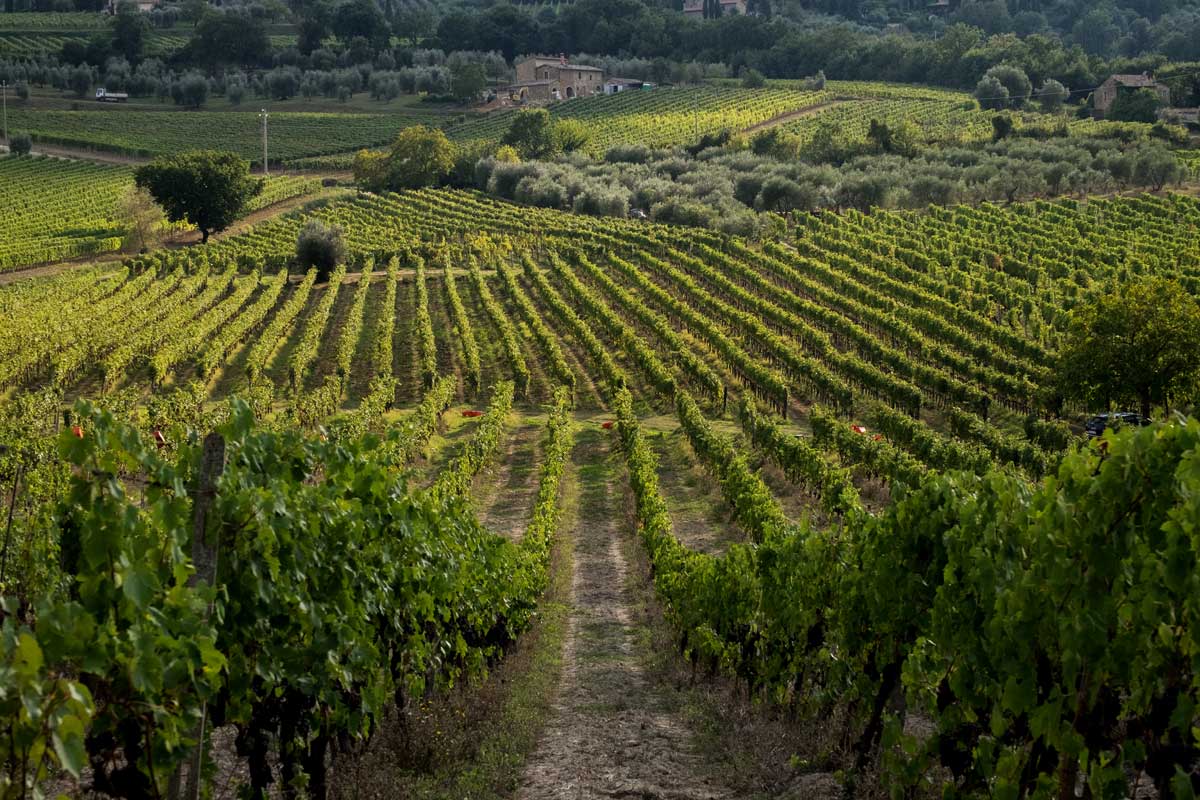
It is then that the long liaison with wine begins, and then Brunello: between the nineteenth and twentieth centuries the Padelletti family was among the largest owners of the country, with the vineyards that, not surprisingly, were planted and cultivated in the “Rigaccini” farm, at the foot of the Montalcino hill.
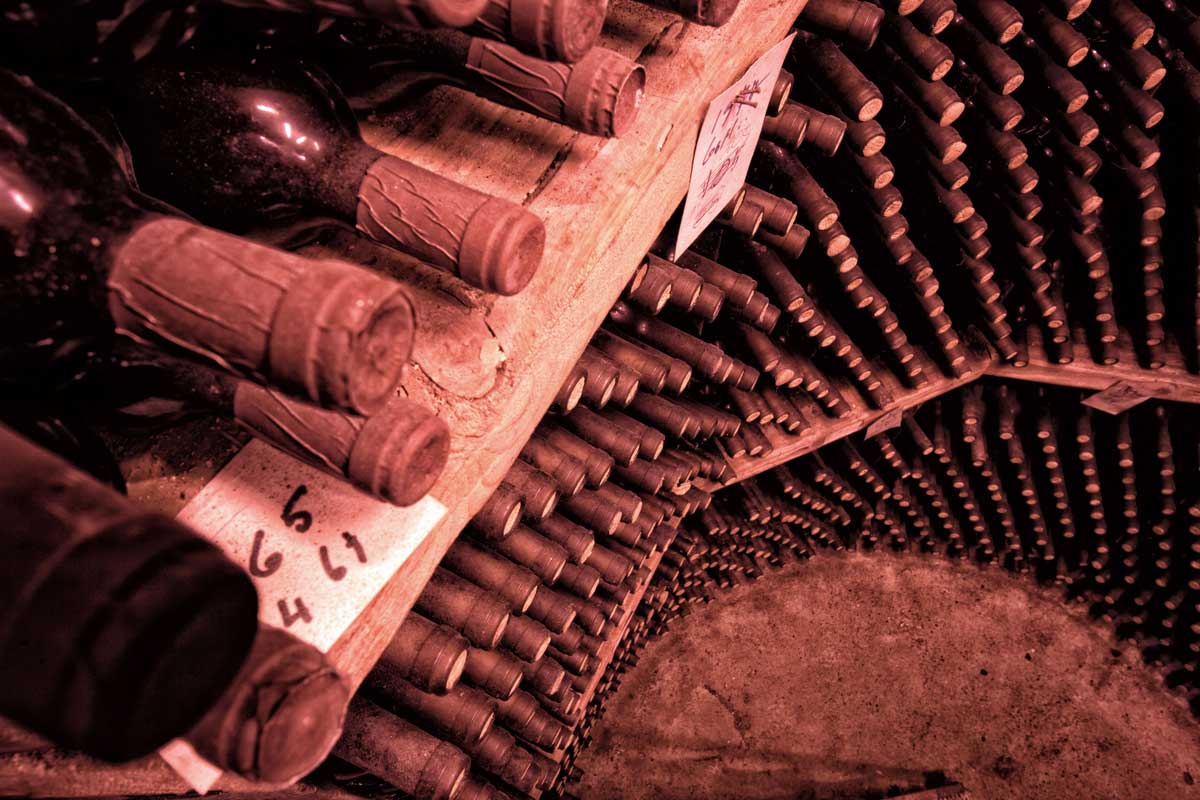
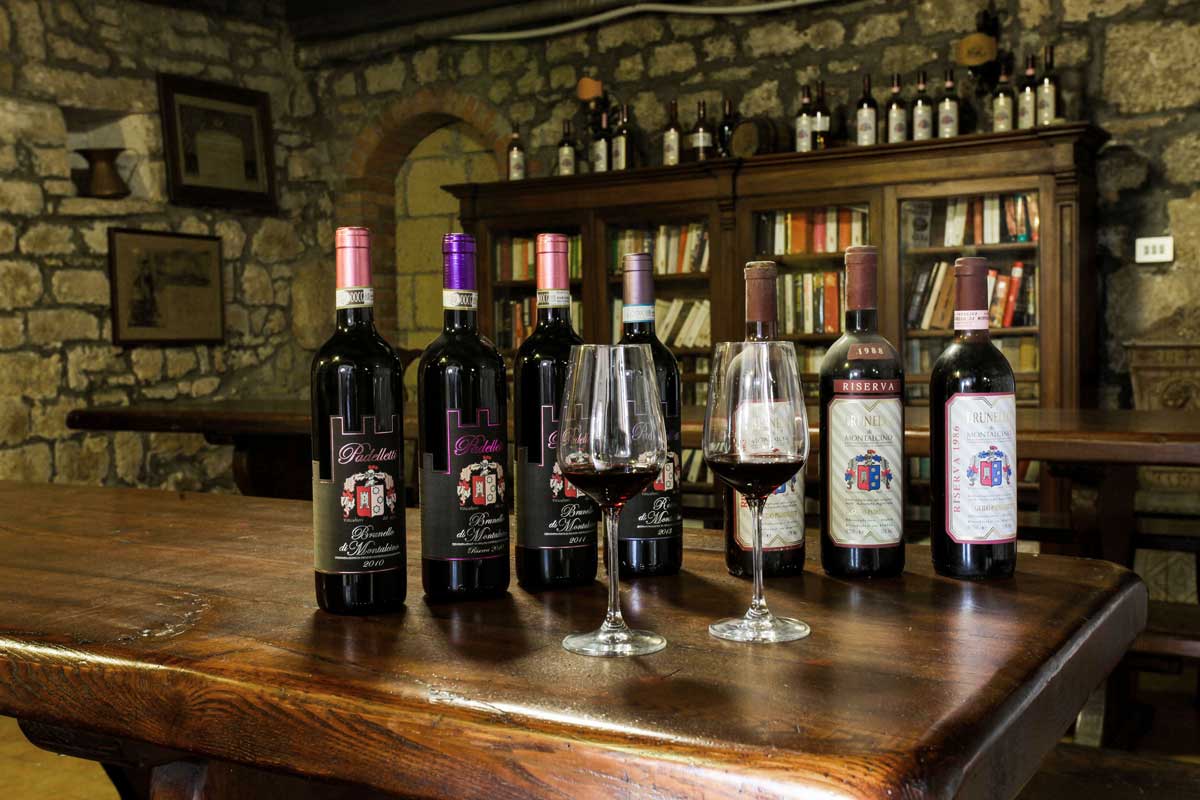
From the 6 hectares of vineyards called Brunello di Montalcino, and therefore from about 480 quintals of grapes, no more than 100 quintals are selected, from which 7-8 thousand bottles are produced, which still rest today in the cellar kept under the house in the village ( the last one left), after a long aging in large Slavonian oak barrels of 25-30 hectoliters, which the Padelletti family, among the first, has been using for a very long time.